Bed Bug Prevention Strategies: Protect Your Home From Pests With These Methods
Bed bug invasions can disturb a household, creating anxiety and unease. Recognizing their habits and applying preventive strategies is crucial. From preserving hygiene to carrying out consistent copyrightinations, there are various methods that can successfully lower the likelihood of these nuisances. Moreover, vigilant steps taken while traveling can offer added protection against introducing bed bugs indoors. What specific steps can homeowners take to guarantee their living spaces remain free from these unwanted guests?
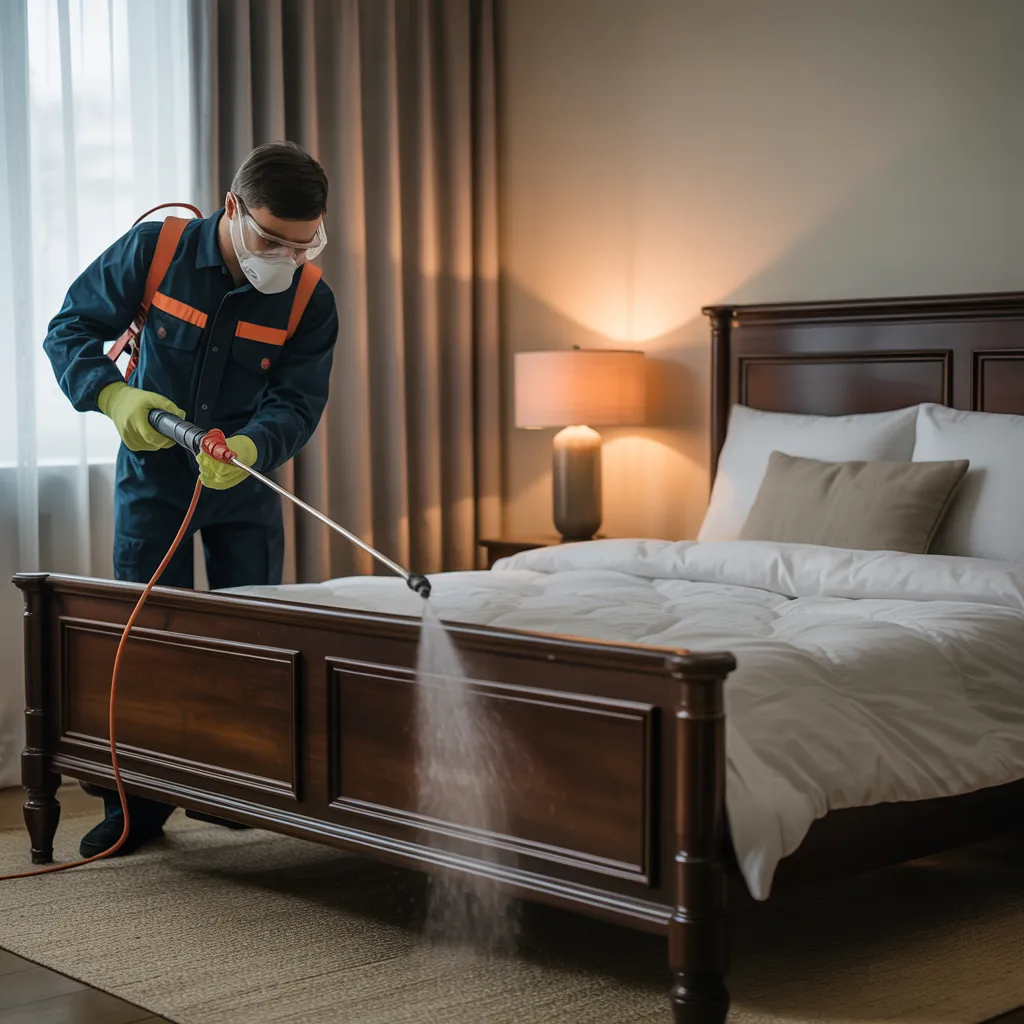
Understanding Bed Bugs: Identification and Behavior
Bed bugs, small nocturnal insects known for their blood-feeding habits, pose notable challenges for homeowners and travelers alike. These insects are commonly brown, flat, and oval in shape, ranging approximately 4 to 5 mm in size. Their talent for concealing themselves within narrow crevices makes them exceptionally hard to eliminate. Bed bugs are most active at night, emerging from their hiding spots to feed on the blood of sleeping humans or animals.
A bed bug's life cycle consists of a number of stages: egg, nymph, and adult, with females known to lay hundreds of eggs throughout over the course of their lifetime. Their actions are primarily motivated by the pursuit of food, and they are drawn to carbon dioxide and warmth emitted by their potential hosts. Knowing these behaviors is vital for effective identification and management, as early detection can greatly reduce the risk of a severe infestation.
Key Cleaning Practices to Avoid Infestations
Good cleaning practices play a significant role in avoiding bed bug infestations. Vacuuming carpets, rugs, and upholstered furniture on a regular basis helps remove any potential bed bugs and their eggs. It is essential to use a vacuum with a HEPA filter and to place the vacuum bag directly into a sealed plastic bag to prevent any risk of reinfestation.
Cleaning bedding, linens, and clothing in hot water at least once a week is an additional essential habit, as elevated heat levels can kill bed bugs and their eggs effectively. Drying these items on high heat for at least half an hour strengthens this preventive approach.
Furthermore, decluttering living spaces reduces hiding spots for bed bugs, helping homeowners to sustain a clean and healthy environment. Consistently checking and tidying areas like furniture edges, closet interiors, and baseboards greatly enhances effective prevention, creating an inhospitable setting for these pests.
Scheduled Home Checks for Bed Bugs
How can regular inspections contribute to a bed bug-free home? Regular home inspections are essential for the early identification and prevention of bed bug problems. Through careful inspection of sleeping areas, furniture, and typical hiding locations, homeowners are able to spot bed bug indicators like shed skins, fecal marks, or live bugs. These inspections should be performed every few months, particularly in high-risk areas like bedrooms and living rooms.
Moreover, engaging all members of the home in the copyrightination process fosters awareness and vigilance, allowing it to be simpler to spot likely concerns in a timely manner. Using equipment including magnifying glasses and flashlights can strengthen these copyrightinations, facilitating a more detailed copyrightination. Ultimately, a preventative strategy through routine checks makes certain that any infestation presence is addressed swiftly, preventing the need for more comprehensive and expensive elimination efforts in the future.
Travel Advice: How Can You Prevent Bed Bugs?
Although travel can be a rewarding adventure, it also presents opportunities for bed bugs to hitch a ride. To reduce the chances, travelers should take several precautionary steps. First, it is crucial to copyrightine hotel rooms when you check in; inspect the seams of beds, headboards, and room furniture for any signs of bed bugs. Keeping luggage elevated and away from the bed can also help decrease contact. It is recommended to opt for rigid-sided bags, as bed bugs are less likely to penetrate these materials.
Furthermore, voyagers should consider packing apparel in airtight plastic bags. Cleaning clothing in warm water upon returning home can get rid of any harmful pests. When selecting lodging, opting for hotels with favorable reviews regarding hygiene and pest management can be highly beneficial. By staying alert during trips, travelers can considerably lower the likelihood of bringing bed bugs home.
Comprehensive Treatment Approaches for Early Detection and Control
Prompt identification and management of bed bugs is vital for effective management of bed bug infestations. Residents should consistently check rest areas, focusing on the seams of mattresses, headboards, and adjacent furnishings. Employing specialized bed bug detection equipment, such as monitoring traps and intercepting devices, can aid in identifying early signs of these pests.
If an infestation is suspected, prompt action is essential. Laundering bedding and clothing in hot water and tumble drying on high heat can eradicate bed bugs at every life stage. Vacuuming the affected areas thoroughly, including carpets and upholstery, helps remove visible bugs and eggs.
Expert pest management companies frequently utilize a mix of thermal treatments and chemical solutions to effectively eliminate bed bugs. Prompt response and ongoing observation are vital in keeping a minor concern from growing into a serious infestation. Implementing these treatment methods ensures a forward-thinking solution for keeping a home free of bed bugs.
Common Questions and Answers
Do Bed Bugs Survive When Exposed to Extreme Temperatures?
That's correct, bed bugs can survive extreme temperatures. They endure cold temperatures down to 0°F for several days and have the capacity to withstand heat as high as 122°F. Nevertheless, long-term exposure to these temperatures can result in their death.
What Does a Bed Bug Bite Look Like?
Indicators of a bed bug bite commonly present as tiny, red, irritated welts on the skin, often in clusters or lines. Additional signs may involve swelling, inflammation, and in certain instances, secondary infections or allergic reactions.
How Do Bed Bugs Travel From Home to Home?
Bed bugs spread between homes most commonly through infested luggage, used furniture, clothing, or personal items. They are also capable of moving through shared walls in apartment buildings and condos, making careful copyrightination and proactive prevention necessary for occupants.
Do Natural Remedies Exist for Bed Bug Prevention?
Organic methods for preventing bed bugs include essential oils like tea tree and lavender, diatomaceous earth, and routine vacuuming. That said, effectiveness varies, and expert pest management may be required for severe infestations.
Can Pets Transport Bed Bugs Into Your Home?
Household pets can unintentionally introduce bed bugs into the home by picking them up from infested areas. Although bed bugs do not inhabit read guide pets directly, their coat can act as a short-term copyright for these insects.